Land, Rivers, and Early Settlement
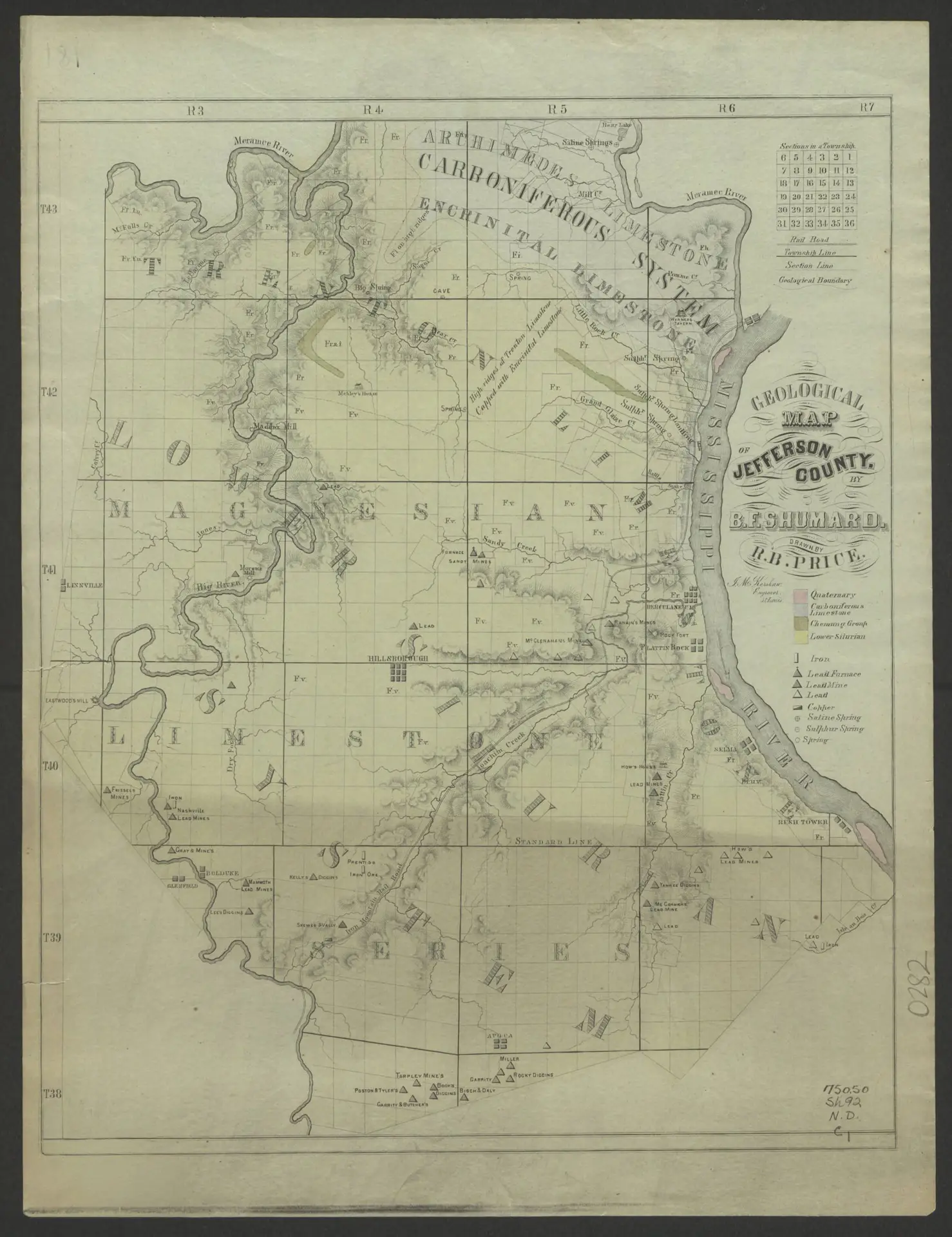
Jefferson County lies just south of St. Louis, stretching from the Mississippi River westward across the wooded hills and valleys of eastern Missouri. Its landscape is defined by three major rivers—the Mississippi on the east, the Meramec along the northern edge, and the Big River running through its interior—along with countless creeks, springs, and bottomlands. These waterways, together with the ridges and limestone bluffs between them, shaped how early people traveled, where they settled, and how later towns and roads developed.
Long before European or American settlers arrived, Native American groups lived, hunted, and traveled along these river corridors. The Mississippi Valley and nearby uplands formed part of a broader cultural landscape of villages, seasonal camps, and travel routes. By the late 18th century, as French, Spanish, and then American interests turned toward the region, the same natural routes that had guided Native peoples began to draw in new waves of settlers, surveyors, and speculators looking for farmland, timber, and access to river trade.
Jefferson County was officially organized in 1818, with land taken from the larger Saint Louis and Sainte Genevieve counties. Its formation recognized the growing number of farmsteads and small communities appearing along the Big River and its tributaries. The county’s name honored President Thomas Jefferson, whose Louisiana Purchase in 1803 had brought this region under American control and opened the door for waves of migration from the east and from overseas.
Frontier Farms and Early Communities
In the late 18th and early 19th centuries, much of what became Jefferson County was settled by families seeking workable land, dependable water, and a measure of independence. Some arrived from older states such as Kentucky, Virginia, and the Carolinas; others came from Germany, Ireland, and central Europe. They established farms along the rich bottomlands of the Big River, the Meramec, and the Mississippi, and on the gentler slopes above the creeks.
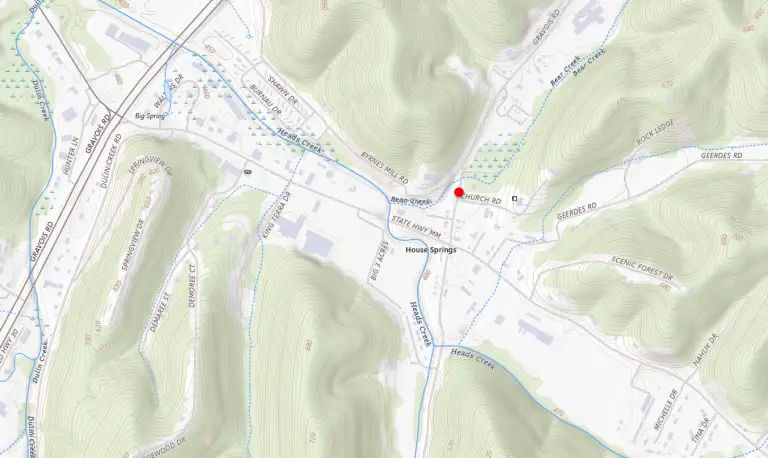
Early settlements formed where practical considerations overlapped: good soil, abundant springs, timber for building, and routes to market. Places like House Springs, Victoria, Kimmswick, and Hillsboro grew as clusters of homes, mills, stores, and blacksmith shops that served surrounding farm country. A handful of families might anchor a crossroads community, with a church, school, or general store helping to create a shared identity that persists in local memory long after the original buildings are gone.
The pattern was often the same. A few early land claims and cabin sites appeared along a creek or river; a mill went up to grind local grain; then a store opened at a road junction where farmers could trade produce for manufactured goods. As more families arrived, these small centers were platted into towns, with named streets and lots intended to attract merchants, craftsmen, and professionals like doctors and lawyers. Some, like Hillsboro, grew into enduring administrative and commercial centers; others remained modest hamlets or faded as transportation patterns shifted.
Hillsboro, County Government, and Civic Life
Hillsboro, located approximately in the center of the county, became the county seat in the early 19th century. Its site was chosen for its relatively central location, nearby water, and accessibility by road from the surrounding districts. Over time, it grew into the administrative heart of Jefferson County, with the courthouse, county offices, and legal community concentrated there.
The courthouse has long been both a practical center of government and a symbol of civic identity. It is the place where land records are stored, legal disputes are heard, and county‑wide decisions are made. Around the courthouse square and along the main streets, businesses, churches, and schools developed to serve residents who came into town for court days, elections, and weekly shopping trips. Hillsboro’s role as county seat helped anchor Jefferson County as a distinct political and social unit, separate from but linked to the larger metropolitan area in St. Louis to the north.
Throughout the 19th century, Jefferson County’s civic life also revolved around smaller local institutions: country schools, churches, Grange halls, and later fraternal organizations and social clubs. Annual fairs, church picnics, and community events brought farm families and town residents together, reinforcing ties among people who otherwise might have seen each other only in passing at the mill or the general store.
River Landings, Railroads, and Roads
Jefferson County’s economic and social ties to the broader region have always depended on transportation. In the early decades, rivers and primitive roads carried the load. Farmers used landings along the Mississippi and Big Rivers to ship produce downstream and to receive goods from St. Louis and beyond. Steamboats and flatboats brought manufactured items, building materials, and news from distant places, while returning with grain, livestock, timber, and locally produced goods.
As the 19th century progressed, railroads arrived in nearby communities, offering faster and more predictable connections to markets. Towns with access to rail lines or to rail‑connected shipping points—such as De Soto, Festus, and Crystal City—gained new importance as industrial and commercial centers. Tracks running near or across the county allowed local products to move more efficiently, encouraging the growth of quarries, brickworks, glass factories, and other industries that relied on heavy materials and regular shipments.
Roads, at first little more than dirt tracks, were gradually improved and realigned as traffic increased. Main routes connected Jefferson County towns to St. Louis, to county seats in neighboring counties, and to rail hubs and river landings. Over time, state highways and later modern roads replaced earlier alignments, sometimes bypassing older town centers and shifting commercial activity to new intersections. These changes, while often disruptive, also helped Jefferson County residents commute to jobs, access services, and maintain connections with the wider region.
Industry, Mining, and Working the Land
While agriculture remained a central part of life in Jefferson County for much of its history, the county’s natural resources also encouraged the growth of mining and industry. Limestone, sand, clay, and other materials supported quarries, brick yards, and related enterprises. Some areas saw mining for lead and iron, echoing broader patterns in eastern Missouri where mineral deposits had been exploited since the colonial period.
Glass manufacturing, particularly in communities like Crystal City and Festus, became one of the county’s most significant industrial activities. Factories drew on local resources and labor while depending on transportation links to bring in raw materials and ship out finished products. Industrial growth brought new jobs and continued to reshape settlement patterns, drawing workers to towns and encouraging the construction of housing, schools, churches, and commercial districts near factory sites.
Even as industry expanded, farming remained important. Many families combined agricultural work with wage labor in mills, factories, or quarries. Seasonal rhythms in the fields overlapped with shifts in industrial workplaces, and household economies often depended on both. The result was a layered landscape where barns and farmhouses, mine structures, and factory buildings could be found within relatively short distances of one another.
Towns, Hamlets, and Changing Patterns of Growth
Across Jefferson County, a network of small towns and hamlets developed, each with its own history and character. Communities such as House Springs, Kimmswick, De Soto, Pevely, Festus, Crystal City, Byrnes Mill, and Arnold emerged at different times for different reasons—river access, railroads, mills, crossroads, and later highway interchanges.
Some places remained compact villages with a few stores, churches, and homes around a crossroads or mill. Others grew into larger towns with distinct downtowns, neighborhoods, and industrial districts. In the second half of the 20th century, the expansion of the St. Louis metropolitan area brought new subdivisions, shopping centers, and road improvements to northern and central Jefferson County. Formerly rural areas saw housing developments and commercial strips appear along major highways, changing the feel of once‑isolated communities and linking them more closely to city jobs and services.
These changes brought opportunities and challenges. New residents helped keep schools and businesses viable, but rapid growth sometimes strained infrastructure and altered long‑standing patterns of land use. Historic buildings, farmsteads, and older commercial structures faced pressure from development, neglect, or changing economic conditions, even as local historians, property owners, and preservation‑minded groups worked to document and protect what remained.
Heritage, Preservation, and a Sense of Place
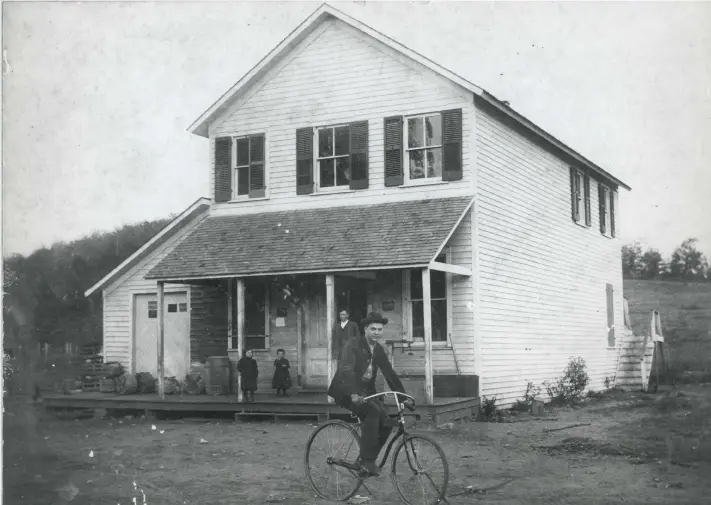
Today, Jefferson County’s history is visible in its historic courthouses, church buildings, general stores, farmsteads, river towns, and neighborhoods that have grown up along older roads and rail lines. Sites such as The Gallant Lady in House Springs—originally the Valentine Leight General Store—are part of a much wider story about how people have lived, traded, and traveled in this landscape for more than two centuries.
Local historical societies, libraries, genealogists, and individual families continue to research and interpret Jefferson County’s past. They work with public records, oral histories, photographs, and historic structures to piece together stories that might otherwise be lost. Through their efforts, visitors and residents alike can better understand how rivers and springs, farms and factories, schools and general stores all contributed to the county’s character.
As Jefferson County continues to change, its history offers both a record and a guide: a record of the people and places that came before, and a guide to the kinds of landscapes and communities that residents hope to preserve for future generations.